
The Story & Collection of Parco Archeologico Appia Antica
The Via Appia was built in 312 BC by the censor Appius Claudius Caecus to link Rome with southern Italy, eventually reaching Brindisi, and the Romans called it the regina viarum, the queen of roads. Its stones were laid so tightly that they seemed to have grown together. In 71 BC some 6,000 followers of Spartacus were crucified along the road between Rome and Capua. In 2024 the Via Appia was added to the UNESCO World Heritage list.
The archaeological park was created in 2016 by the Italian Ministry of Culture and runs from the Aurelian Walls out to Frattocchie, the ancient Bovillae. It looks after the Tomb of Caecilia Metella, the Villa of the Quintilii, Capo di Bove, the church of San Cesareo de Appia and the arches of the Claudia, Marcia and Anio Novus aqueducts. Along the road you also pass the Circus of Maxentius and several catacombs.
The tours on Tiqets explore the road by e-bike or golf cart, or by bus and on foot. Depending on the option they include the Catacombs of San Callisto, the Aqueduct Park, the Domine Quo Vadis church or an old Roman quarry in the Caffarella Park.
Highlights
- The original Roman paving stones of the Via Appia
- The Tomb of Caecilia Metella
- The arches of the aqueducts in the Roman countryside
General Admission Ticket — Parco Archeologico Appia Antica
Book your official admission ticket online with guaranteed entry timeslot for Parco Archeologico Appia Antica. Skip the ticket desk line.
- Full access to the permanent collection & masterpieces
- Instant mobile barcode access at the turnstile
- Guaranteed reserved timeslot with no ticket line waiting
- Free cancellation up to 24 hours before your visit
- 100% verified official ticket
Top experiences & sights near Parco Archeologico Appia Antica
Instantly bookable via our partner Tiqets · mobile tickets · often free cancellation
Architecture & Halls of Parco Archeologico Appia Antica


Practical Visitor Info & Getting There
Open 24 hours
Timeslot reservation recommended
Metro / Bus station nearby
Stop within walking distance
More to explore in Rome

Artiste Contemporanee a Casa Andersen. Il corpo come dimora
Casa Museo Hendrik Christian Andersen, Rome

AQVA
Biblioteca Apostolica Vaticana, Rome

Kandinsky
Palazzo Bonaparte, Rome
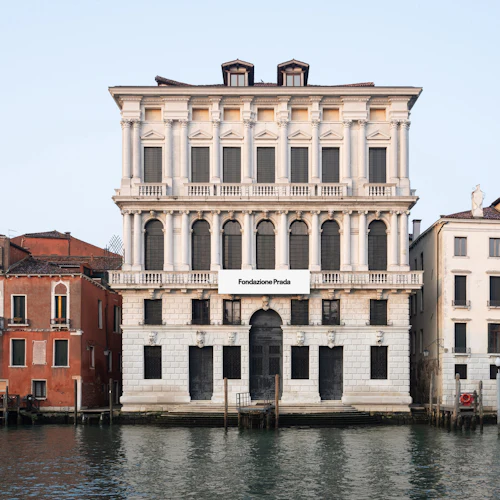
Helter Skelter: Arthur Jafa and Richard Prince
Fondazione Prada, Venice

Hybrids: Leandro Erlich
Negozio Olivetti, Venice

Erwin Wurm
Museo Fortuny, Venice

Jenny Saville a Ca' Pesaro
Ca' Pesaro Museum, Venice

Bizhan Bassiri: Principe - Il Nottambulo del Pensiero Magmatico
Doge's Palace, Venice