
The Story & Collection of Terme di Caracalla
The baths were built between about 212 and 216 under the emperors Septimius Severus and Caracalla. The whole complex covered some 25 hectares, and the main bath building alone measured 214 by 110 metres. Water came from a dedicated aqueduct, and a hypocaust system heated the rooms. At any one time around 1,600 bathers could use the baths, and estimates put the daily number at 6,000 to 8,000.
Bathers moved through the frigidarium (cold room), the tepidarium (warm room) and the round caldarium, a hot room crowned by a dome 35 metres across, with a large open-air swimming pool, the natatio, alongside. The baths worked until the 530s, when the Goths cut Rome's aqueducts during a siege. Afterwards the ruins served as a quarry, and Renaissance excavations here uncovered famous sculptures such as the Farnese Bull and the Farnese Hercules.
Today you walk among the high walls of the bath halls, past sections of preserved floor mosaics and the vaults of the frigidarium. Below ground lie service tunnels and a Mithraeum discovered in 1912, and the caldarium occasionally hosts opera performances on a temporary stage.
Highlights
- The massive walls and vaults of the main bath halls
- Preserved floor mosaics from the bathing rooms
- The underground Mithraeum, discovered in 1912
General Admission Ticket — Terme di Caracalla
Book your official admission ticket online with guaranteed entry timeslot for Terme di Caracalla. Skip the ticket desk line.
- Full access to the permanent collection & masterpieces
- Instant mobile barcode access at the turnstile
- Guaranteed reserved timeslot with no ticket line waiting
- Free cancellation up to 24 hours before your visit
- 100% verified official ticket
Top experiences & sights near Terme di Caracalla
Instantly bookable via our partner Tiqets · mobile tickets · often free cancellation
Architecture & Halls of Terme di Caracalla


Practical Visitor Info & Getting There
Tue – Sun: 09:00 – 18:00 · Mon: closed
Timeslot reservation recommended
Metro / Bus station nearby
Stop within walking distance
More to explore in Rome

Artiste Contemporanee a Casa Andersen. Il corpo come dimora
Casa Museo Hendrik Christian Andersen, Rome
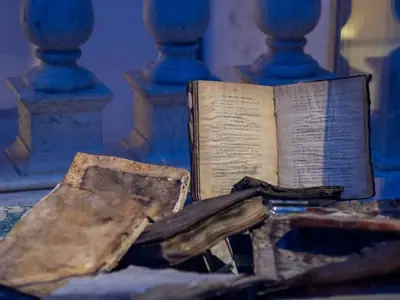
AQVA
Biblioteca Apostolica Vaticana, Rome

Kandinsky
Palazzo Bonaparte, Rome
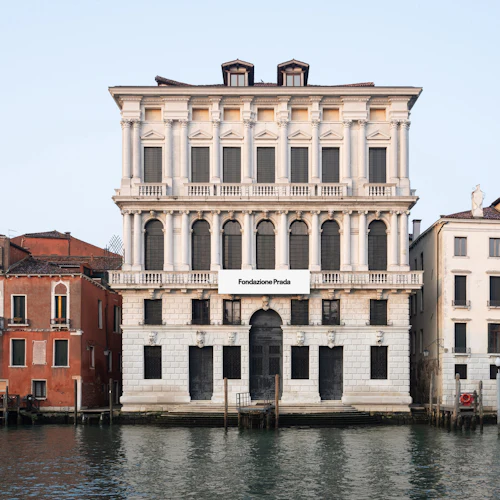
Helter Skelter: Arthur Jafa and Richard Prince
Fondazione Prada, Venice

Hybrids: Leandro Erlich
Negozio Olivetti, Venice

Erwin Wurm
Museo Fortuny, Venice

Jenny Saville a Ca' Pesaro
Ca' Pesaro Museum, Venice

Bizhan Bassiri: Principe - Il Nottambulo del Pensiero Magmatico
Doge's Palace, Venice